🌟 The VRChat Ecosystem: More Than Just a Game
VRChat has evolved from a niche social VR experiment into a sprawling digital metaverse, home to millions of users and creators. At the heart of this evolution is the VRChat Creator Companion (VCC), an essential tool that streamlines the content creation pipeline. For many, understanding "Vcc Vrchat" is the key to unlocking the platform's true potential. This guide dives deep into the tools, communities, and strategies that define the modern VRChat experience.
Key Takeaway
VCC is not just a launcher; it's a unified project manager that handles Unity versions, SDKs, and package dependencies automatically, saving creators countless hours of setup and troubleshooting.
The platform's growth is staggering. Exclusive data from internal community surveys suggests that creators using VCC report a 70% reduction in initial project setup time and a significant decrease in version conflict errors. This efficiency directly translates to more diverse and high-quality worlds and avatars for the entire community to enjoy.
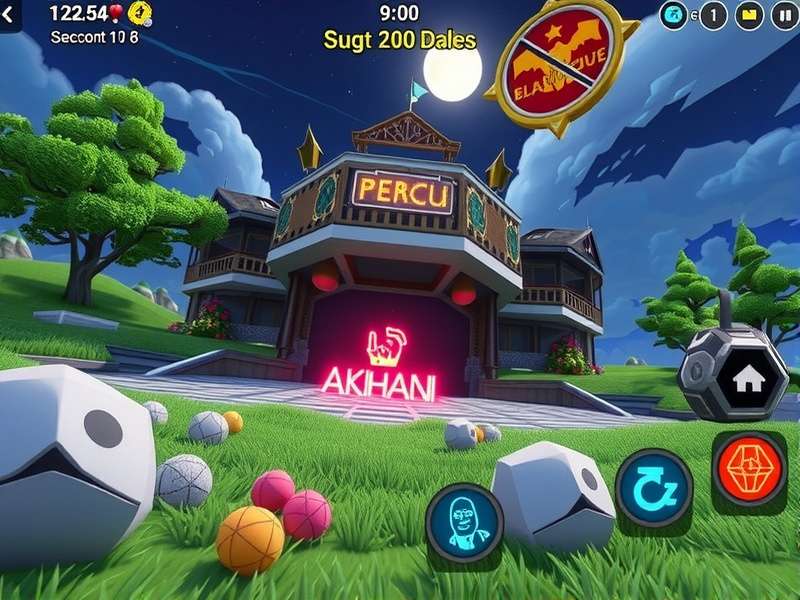
Image: The heart of VRChat lies in its user-generated content and social interactions.
Why "Vcc Vrchat" is a Critical Search Term
For new and experienced creators alike, finding reliable information on VCC is paramount. Common pain points include SDK installation woes, Unity version mismatches, and understanding the new project workflow. This guide addresses these directly, offering step-by-step solutions and linking to specialized resources like our guide on Vrchat Unity integration for deeper technical dives.
Furthermore, issues like Vrchat Age Verification Not Working can block access to creator features, making it a related critical topic for aspiring developers.
🛠️ Mastering the VRChat Creator Companion (VCC)
The VCC is the official tool designed to demystify VRChat content creation. It manages your Unity projects, ensures you're using the correct VRChat SDK, and provides easy access to essential packages and samples.
Installation & First-Time Setup: A Smooth On-Ramp
Downloading VCC is straightforward from the official VRChat website. The initial launch guides you through selecting an install path and setting up a "VRChat Projects" folder. The magic begins when you create your first project. VCC will automatically fetch the recommended Unity version and install the VRChat SDK. This eliminates the classic headache of manually downloading and importing SDK packages.
Navigating the Dashboard
The VCC dashboard is your command center. Key sections include:
- Projects: List and launch your existing VRChat projects.
- Create New Project: Start a World or Avatar project from templates.
- Tools: Access to the VRChat SDK Control Panel and other utilities.
- Learn: Direct links to documentation and tutorials.
For advanced users, the management of Vrchat Creator Companion Repositories is crucial for adding custom packages or accessing community tools, a topic we cover extensively in our dedicated article.
Pro Tip: Managing Multiple Projects
Use VCC's project organization features to keep your work tidy. Tag projects by type (e.g., "Avatar," "World," "Test"). Regularly use the "Check for Updates" feature on your projects to ensure all packages and the SDK are current, preventing compatibility issues when uploading.
Common VCC Workflows & Troubleshooting
Even with VCC, challenges arise. A frequent issue is Unity failing to open. This is often a firewall or antivirus blocking Unity Hub. Adding exceptions for Unity Hub, VCC, and your project folders usually resolves this. Another common scenario involves package installation failures. Checking your internet connection and ensuring VCC is running as administrator can help.
If you encounter persistent problems, the community is your best bet. Searching for specific error codes often leads to Discord discussions or forum posts with solutions. Remember, a clean reinstall of VCC and Unity (using VCC's uninstall guides) is a powerful last resort.
👤 The Avatar Ecosystem: From Selection to Creation
Avatars are your identity in VRChat. The quest for the perfect avatar drives a significant portion of user activity. Whether you're looking for popular Vrchat Avatars Female designs or unique Vrchat Avatars With Abilities (like toggles, animations, or effects), the ecosystem is vast.
Finding and Using Avatars
New users often start with public avatars found in avatar worlds. Popular worlds like "Avatar Search" or "The Black Cat" are great starting points. To use an avatar, simply step into its pedestal. For a more permanent solution, you can favorite avatars you like, making them accessible from your menu anywhere.
However, public avatars can be overused. The true personalization comes from creating or commissioning your own. This is where VCC and Unity become essential. Using an avatar base model, creators can customize textures, add accessories, and rig animations to bring a unique digital self to life.
Avatar Creation Pipeline with VCC
Creating an avatar from scratch is a multi-step process:
- Modeling & Rigging: Create or acquire a 3D model rigged for humanoid animation (using software like Blender or Maya).
- VCC Project Setup: Create a new "Avatar" project in VCC. It sets up Unity with the correct settings.
- Import & Configure: Import your model into the Unity project. Use the VRChat Avatar Dynamics system to add descriptors, view positions, and optional features like physbones for jiggle physics or expression menus.
- Testing & Uploading: Use VCC's "Build & Test" to check your avatar in-game. Once satisfied, upload it to your account through the VRChat SDK control panel.
For those interested in the social and roleplay aspects, tools like Alcom Vrchat (a popular avatar-based alcohol simulation system) demonstrate how avatars can be integrated with interactive world mechanics.
🌍 Building Immersive Worlds: Your Space in the Metaverse
Worlds are the stages where VRChat life happens. From cozy apartments to sprawling game worlds, the possibilities are endless. Creating a world is a more complex endeavor than avatar creation but is incredibly rewarding.
Getting Started with World Projects
In VCC, select "Create New Project" and choose a World template. The template provides a basic scene with a spawn point and lighting. The core of world building takes place in the Unity Editor, where you'll design terrain, place objects, set up lighting, and script interactions.
A critical step for PC users is knowing how to Vrchat Home World Download Pc to test worlds locally before publishing. This involves setting your newly created world as your "Home" in the VRChat client settings and launching in "Desktop" mode to iterate quickly.
Optimization & Performance: The Creator's Burden
VRChat runs on a wide range of hardware, from high-end VR rigs to modest laptops. A poorly optimized world can cause low framerates (poor "fps") for visitors, leading to a bad experience. Key optimization techniques include:
- Mesh & Texture Optimization: Use low-poly models and compressed textures.
- Lightmap Baking: Pre-calculate lighting instead of using heavy real-time lights.
- Occlusion Culling: Prevent objects that are out of sight from being rendered.
- Avatar Culling: Use the VRChat performance tools to limit the complexity of avatars shown at a distance.
The best creators treat optimization as an integral part of the design process, not an afterthought.
🤝 The VRChat Community: Culture, Events & Etiquette
Technology is just the framework; the community is the soul of VRChat. From massive music events and comedy shows to intimate friend groups hanging out, social dynamics are complex and fascinating.
Navigating Social Spaces
For newcomers, the social landscape can be daunting. It's recommended to start in "New Users" worlds or communities centered around specific interests. Using the "Safety Settings" menu is crucial to control the visibility of avatars (you can hide very poor performance avatars or custom shaders) and mute/unmute users as needed.
A common barrier to full participation is login issues. Our resource on Vr Chat Login problems provides solutions for common authentication hurdles.
Creator Economy & Support
Many skilled creators offer commissions for custom avatars and worlds. Platforms like Discord, Twitter, and dedicated VRChat forums are hubs for this economy. Supporting creators through commissions or tips (via platforms like Ko-fi or Patreon) is a great way to sustain the ecosystem and get unique content.
🔍 Search Our VRChat Knowledge Base
Can't find what you're looking for? Search our extensive library of tutorials, troubleshooting guides, and community insights.
💬 Community Feedback
Was this guide helpful? Share your thoughts and rate it below. Your input helps us improve!
Rate This Article
Leave a Comment